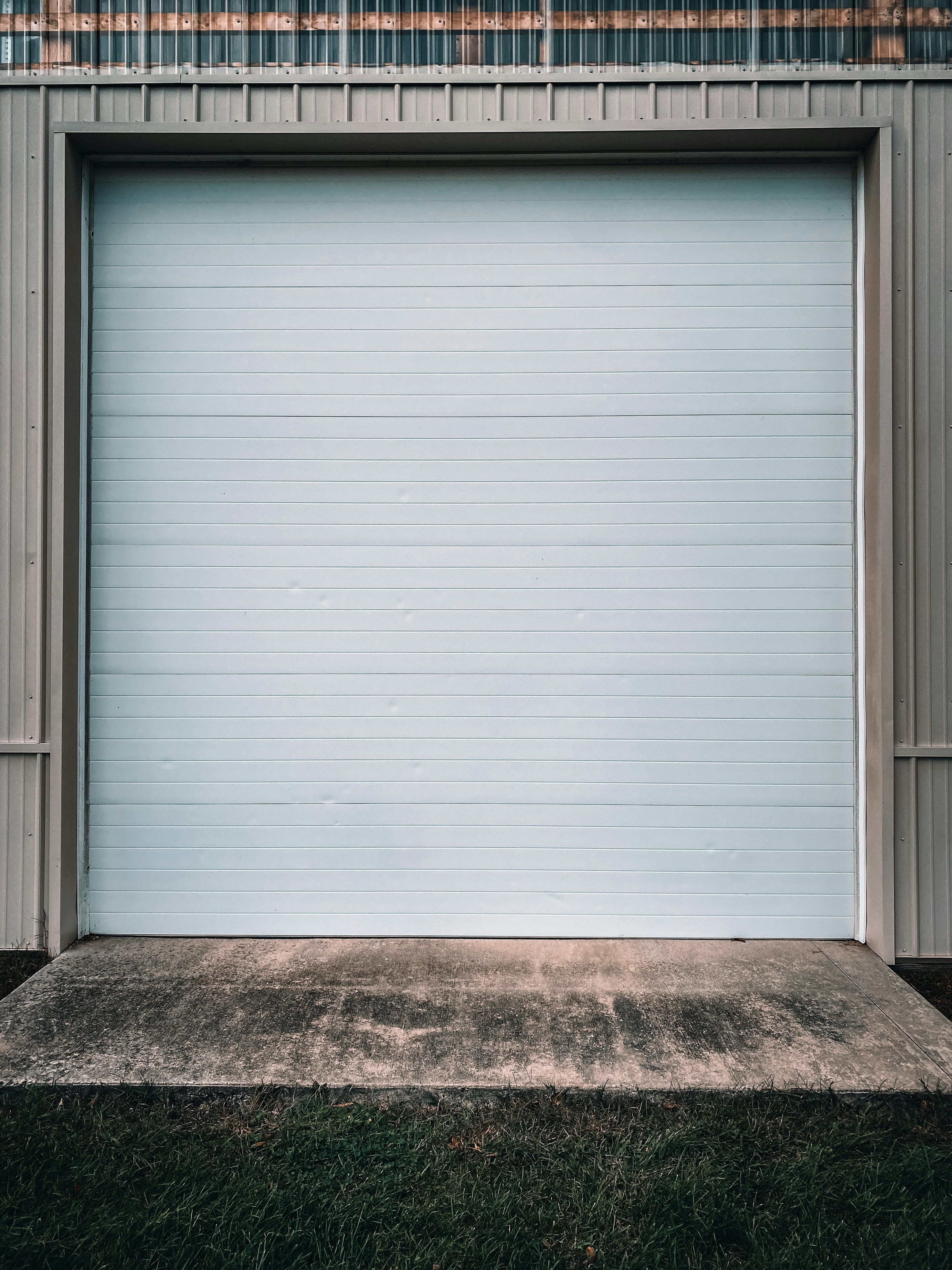
A Common Garage Door Problem That Has Several Causes
If your garage door starts to lift and then suddenly comes back down, you are dealing with one of the issues garage door technicians get called about most often. It can seem like the door has a mind of its own, but there is almost always a real reason behind it. Modern garage doors are built with several safety features that stop the door whenever something seems off. A door read more that reverses on its own is simply one of those safety features doing exactly what it was designed to do. The encouraging part is that most of the reasons behind this behavior are simple to track down and repair. The frustrating part is that more than one thing can trigger the same symptom, so you have to rule them out one by one. The steps below follow the same checking order a trained garage door repair technician would use, which means you may be able to skip a service call if the answer turns out to be an easy one.
Start by Checking the Photo Eye Sensors
The very first place to look is at the photo eye sensors. You will find them as two small dark boxes attached to the bottom of each side of the garage door opening, just a few inches off the ground. One box shoots an invisible beam across the doorway to the other box. Anytime something interrupts that beam while the door is closing or opening, the door automatically backs up so it doesn't squash whatever it has detected. Step over to the door and take a careful look at both units. They need to be aimed straight at each other with no tilt. Almost every sensor has a tiny indicator light, usually green or red. A green light typically tells you everything is fine. A red light usually points to a blockage or an alignment issue. Inspect the lens for spider webs, dirt, fallen leaves, or any small object resting in front of it. Use a clean, soft cloth to wipe each lens. If the red light stays on after cleaning, carefully tap one sensor a little at a time until both lights show green. Fixing the photo eyes takes care of close to half of the cases where a garage door reverses on its own.
Check for Things Blocking the Garage Door Tracks
When the sensors look clean and properly aligned, move on to inspecting the tracks running along each side of the door. The tracks are the long metal channels that guide the rollers as the door moves up and down. Every now and then a small item ends up wedged inside the track. It might be a small stone, a stray toy, or a torn piece of packaging from an Amazon box. When the door tries to lift past the object, it meets resistance, and the opener reads that resistance as a sign the door has hit something solid. The built-in safety feature responds by reversing the door immediately. With the door raised all the way, take a slow look at both tracks from top to bottom. Pull out anything that doesn't belong there. While your eyes are on the track, also look at the rollers themselves and watch for any that appear bent, cracked, or chipped. Rollers in poor shape produce the exact same symptom because they bind and drag instead of rolling cleanly, which the opener interprets as an obstruction.
Examine the Door's Springs
Look up just above the top of the door, and you'll spot one or two long, tightly wound steel coils stretched across a shaft. These components are called torsion springs, and they're responsible for nearly all of the lifting power when the door opens. People often think the motor does the heavy work, but it doesn't. The opener mostly controls the direction of travel. The torsion springs supply the actual lifting force. As the spring ages or fails completely, the door's full weight transfers onto the opener, which was never designed to carry that load. After lifting the door only a short distance, the motor gives out and the door reverses back down. To examine the springs, look carefully along the length of each coil for any visible separation or fracture. A failed torsion spring will almost always show a clean two-inch gap where the metal snapped under tension. Should you discover a broken spring, do not attempt to repair or replace it on your own. Torsion springs store an enormous amount of stored energy, and mishandling one can cause a serious accident. This kind of repair should always be left to a qualified garage door specialist. The typical service call for torsion spring replacement falls in the range of two hundred to four hundred dollars.
Test the Door's Balance by Hand
Springs can appear normal to the eye while quietly losing the strength they once had. To find out whether yours have weakened, run this quick test. Locate the red emergency release handle that hangs down from the rail beneath the opener, and give it a firm pull. Pulling that handle disengages the door from the motor so it can be operated by hand. Next, lift the door yourself using just your arms. A door with good springs and proper balance will feel almost weightless. A single hand should be enough to raise it, and once you release it around the midpoint, the door should remain in place without sliding. If the door feels noticeably heavy as you lift, or if it slowly drops back down after you let go, then the springs have begun to lose their lifting capacity. This kind of spring weakness sits behind a large share of reported cases where doors reverse before reaching the top. Once your test is complete, push or pull the release handle in the opposite direction to reconnect the door to the opener.
Check the Garage Door Opener's Force Settings
Every garage door opener has two small dials or buttons on the back of the motor housing. One controls the force used to open the door, and one controls the force used to close it. Over time, as parts wear and seasons change, the opener may need slightly more force to do its job. If the force setting is too low, the opener thinks any resistance means it has hit something, so it reverses. The owner's manual for your LiftMaster, Chamberlain, Genie, or Craftsman opener will show you exactly where these settings are. Adjust the open force dial slightly upward, then test the door. Adjust in small steps. Setting the force too high creates a safety risk because the opener will keep pushing even when it shouldn't.
Look at the Travel Limit Settings
The travel limits indicate opener the lower positions the door settings may cause the opener to the door has reached its limit and reverse. This issue commonly arises following a power outage, installation of a new opener, or maintenance work on the door. Similar, the controls for adjusting the travel limits are located of the opener motor a straightforward If the door is too high or not reaching the desired height, it with the travel limits and should be investigated if the door is not fully reversing.
The Cold Weather Connection You Might Not Notice
During the colder months, a rigid, chilly garage door can place additional load on the opener. The grease that has been in the tracks for a long time thickens, the rollers lose their smooth rotation, and the door becomes tougher to raise. Consequently, the opener must exert more effort, reaches its force limit, and then reverses. If the door only reverses on frosty mornings but operates normally later in the day, this is likely the cause. The remedy is to clean the tracks and apply a garage‑door‑specific lubricant to the rollers, copyrights, and springs. Skip WD‑40, which actually strips away grease instead of adding it. Opt for a lithium‑ or silicone‑based spray formulated for garage doors.
When to Quit DIY and Hire a Professional
When you've gone through the sensors, inspected the tracks, looked at the springs, adjusted the force settings, checked the travel limits, and applied fresh lubrication, and the door is still reversing on you, the next step is to bring in a professional garage door repair company. Once you've ruled out the basics, the issue is almost always somewhere inside the opener unit — typically a stripped drive gear, a weakening capacitor, or a faulty logic board. Repairs involving these components require specialized tools and replacement parts that the average homeowner doesn't have on hand. A skilled technician will usually pinpoint the cause and get the door working again in less than an hour, with a typical service call running somewhere between one hundred and two hundred dollars before the cost of any parts is added in.